Blog #3: Why Work Breaks Even When Direction Is Clear
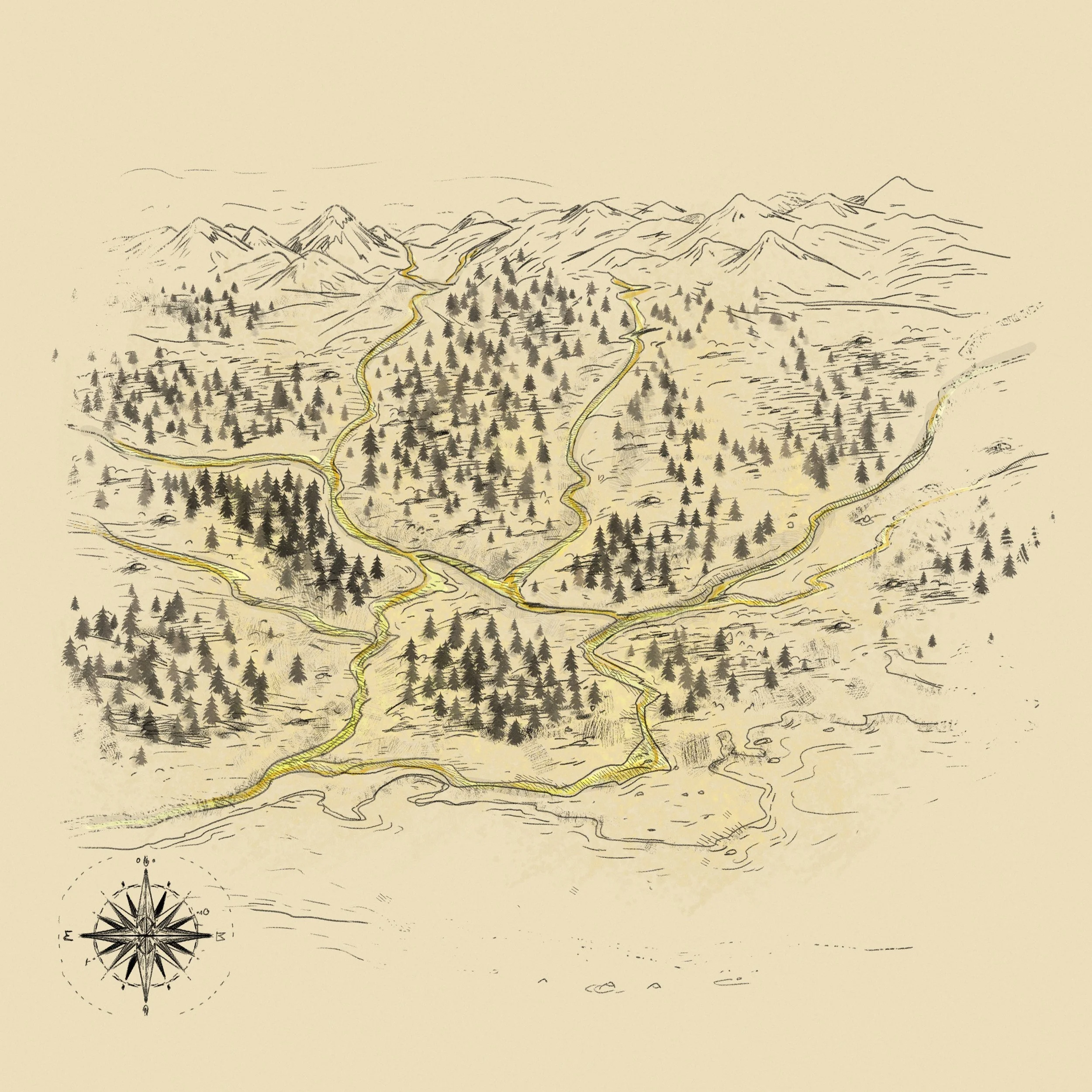
The Map
Structure, not strategy, is often where transformation fails.
With direction established, leaders expect progress. They have set clear priorities, made necessary decisions, and declared a path, at least in theory. But clarity without structure creates strain because knowing what to do is different from being able to do it.
The Map is the system that carries the work. It is what turns direction into movement and allows decisions to translate into outcomes. Without it, even the clearest direction collapses under the weight of execution. This is not because people are incapable; it is because the system cannot carry what has been asked of it.
What the Map Actually Is
The Map defines the architecture beneath the work. It defines how work flows from idea to execution. It defines how decisions move across levels and functions. Most importantly, it defines how teams connect, depend on, and respond to one another.
The Map is not a static design but a living system. One that either enables momentum or quietly resists it. When the Map is functioning, work moves with clarity and pace. When the Map is not functioning, even aligned teams will begin to stall.
Where the Map Breaks
The Map rarely fails in obvious ways. It breaks in patterns that feel manageable in isolation but compound across the system.
Misaligned roles where ownership is unclear, causing work to overlap or disappear between teams.
Fragmented workflows when work moves efficiently within teams but breaks at the handoffs.
Invisible dependencies where critical connections exist but are neither visible nor managed.
Bottlenecks at decision points with too many decisions relying on too few people, slowing everything behind them.
These are not isolated issues; they are signals of a system that cannot sustain its own commitments.
“A clear direction without a functioning Map creates friction, not progress.”
The Illusion of Productivity
At this stage, the organization often appears highly active. As we often experience, calendars are full, meetings are constant, updates are frequent, but output doesn’t compound. Work is started but not completed. It moves but doesn’t advance. Work is reported but not realized. Why, because flow is broken, and when flow is broken, effort increases while progress stalls.
The Leadership Shift
This is where leadership must change its lens. Leaders must stop asking:
“Are people working?”
And start asking:
“Is the system enabling the work to advance?”
Because when the Map is broken, no amount of effort will create sustained progress. The work will continue to circulate, stall, and strain the system. Once the Map is aligned, work begins to move with less force and more momentum.
What Comes Next
When the Map begins to hold, work moves, decisions flow, and teams reconnect, but new pressure follows. As flow improves, complexity increases with more signals, inputs, and less time. The Map can carry the work, but it cannot interpret change. This is where strain returns, not because the structure failed but because leaders cannot see what is shifting.
The next challenge is not building the system; it is sensing what the system cannot yet see.
Continue the Series
Next: Seeing What the System Cannot — The Lantern
www.compassmapfog.com/blog/seeing-what-the-system-cannot-the-lantern