Blog #4: Seeing What the System Cannot — The Lantern
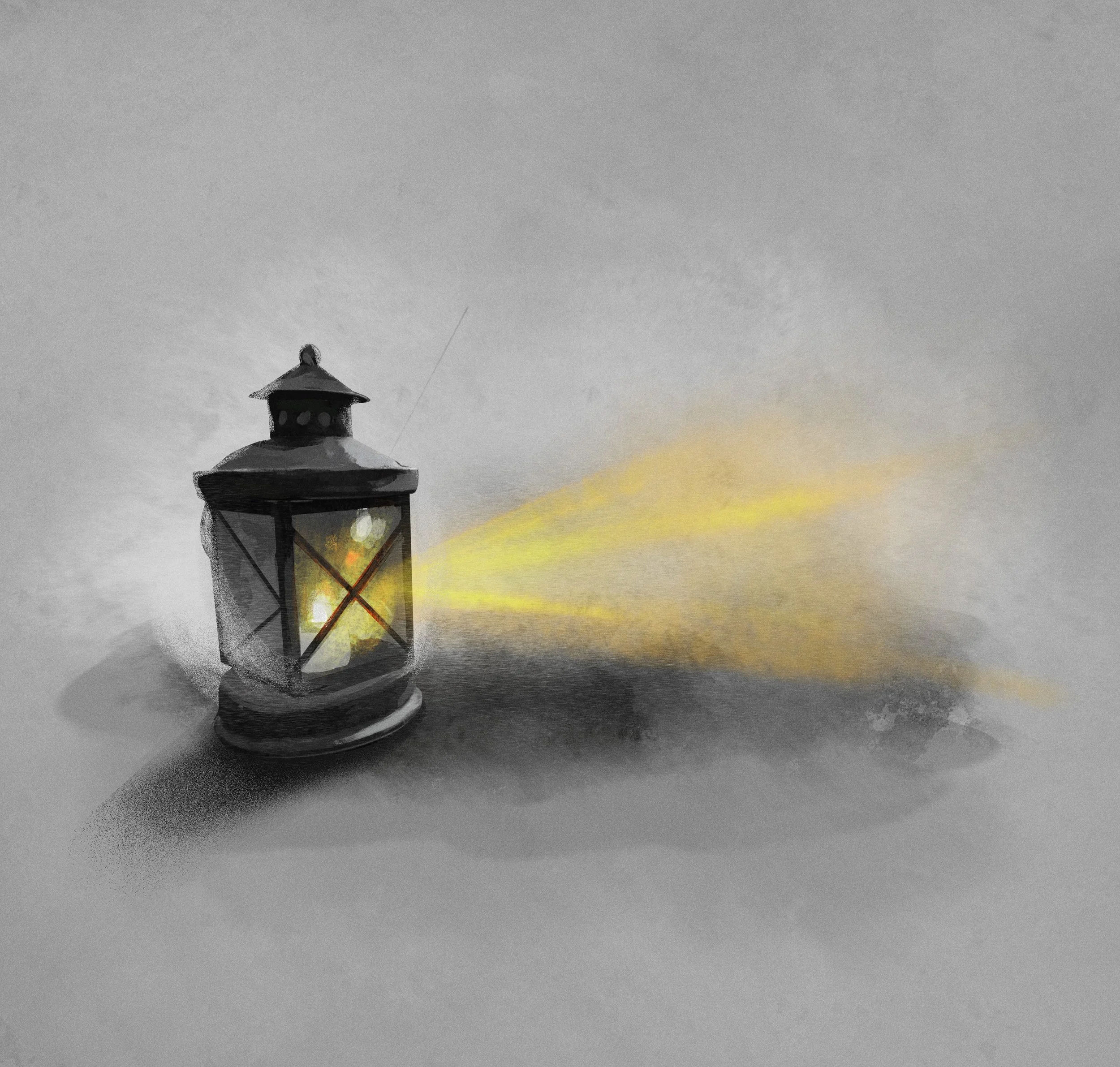
The Lantern
Why Leaders Miss the Signals That Matter
In a world of dashboards, insight is not the problem. Interpretation is.
Organizations have more data than ever before. Dashboards are full, metrics are tracked, and reports are shared in real time. Yet leaders still feel blind, not because information is missing, but because meaning is missing from the information.
The Lantern reveals signals before they become problems. It illuminates what is forming beneath the surface before breakdown is visible, before results decline, and before urgency forces action. Visibility, however, is different from understanding. And without understanding, nothing changes.
What the Lantern Actually Is
The Lantern is not a tool. It is a capability. A way of seeing. It represents AI, pattern recognition, and signal detection. It reveals:
Where friction is forming
Where alignment is beginning to fracture
Where decisions are slowing before they stop completely
The Lantern does not create new problems. It exposes the ones already taking shape.
The Problem with Modern Insight
Organizations say they are data-driven, but most are confirmation-driven. They rely on metrics that explain the past, ignore early signals that feel uncertain, and mistake reporting for understanding. So the system looks stable until it breaks.
“More data doesn’t create clarity. It amplifies whatever you already believe.”
The Role of AI
AI accelerates visibility. Patterns emerge faster, anomalies surface earlier, and connections become more visible. What AI does not do is replace leadership. AI requires leadership.
Signals without interpretation create noise. And noise, at scale, becomes a distraction. The real work is not seeing more. It is knowing what you are looking at and what to do next.
The Leadership Shift
To lead with the Lantern, something must change. Leaders must learn to read patterns, not just metrics. They must recognize early signals even when they are incomplete and act before issues become irrefutable. Most importantly, leaders must integrate signals across the system, not in isolated views.
This requires a different posture. Less reaction. More awareness. Greater discernment amid uncertainty. The earliest signals rarely arrive clearly. They arrive quietly.
The Lantern does not eliminate Fog; it makes it visible. And for the first time, leaders begin to see that it was never the absence of insight that slowed them. It was what they could see but had not yet chosen to understand.
Seeing is not the final step; it is the turning point. Once signals are visible, the question changes from:
“What is happening?”
to:
“What will we do about it and how will we sustain it?”
This is where most organizations hesitate. They see the patterns and recognize the friction, but still struggle to respond consistently under pressure. Action without rhythm does not hold.
What Comes Next
When the Lantern begins to reveal … signals surface, patterns emerge, and what was once hidden becomes visible, but new pressure follows. As visibility increases, so does complexity. More signals. More inputs. Less time to interpret what matters. The Lantern can show what is forming, but it cannot ensure a response. This is where strain returns, not because insight is missing, but because it is not consistently acted on.
The next challenge is not seeing more. It is responding in a way that holds. Because without a system to absorb and sustain what is seen, even the clearest signals fade back into noise.
Continue the Series
Next: Holding What the System Has Learned — The Rhythm
www.compassmapfog.com/blog/holding-what-the-system-has-learned-the-rhythm