Blog #1: Why Transformation Fails Even When Strategy Is Clear
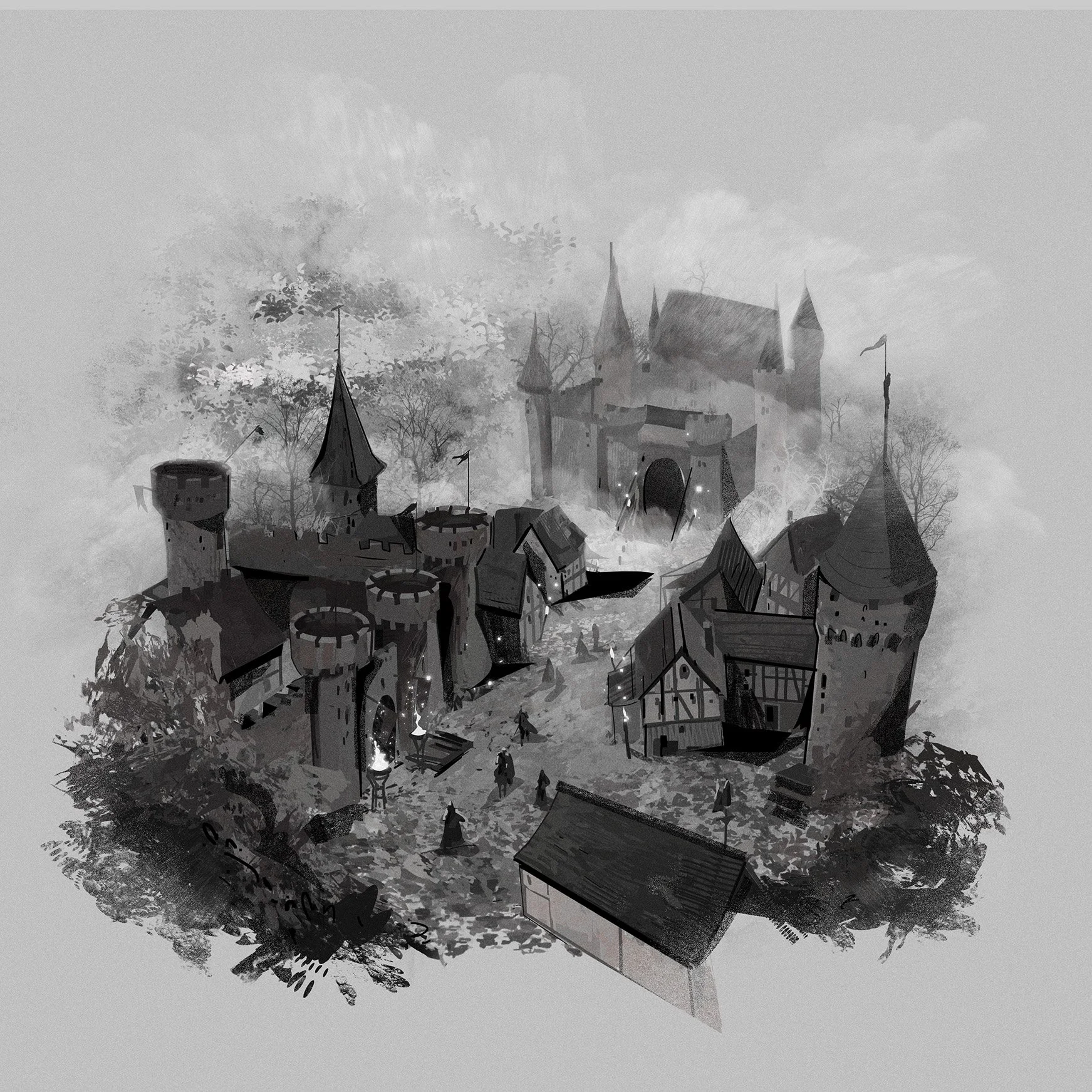
Fog is Misalignment
Even the most well-defined strategies can stall when alignment begins to fracture beneath the surface. This is the condition leaders don’t see until it is already shaping outcomes.
Introducing the Fog
There is a moment in nearly every transformation effort when something feels off, even though, on paper, everything should be working. The strategy is clear, the roadmap is defined, and the dashboards are green. Yet, progress stalls. What you are experiencing may not be a failure of strategy. It may be Fog.
“Transformation doesn’t fail from lack of strategy it fails from misalignment that hasn’t yet been seen.”
The Misdiagnosis of Failure
Most organizations are trained to look for problems like strategy clarity, execution discipline, talent gaps, and technology. So when progress slows, the instinct is to refine the plan, to add more detail, increase oversight, accelerate timelines, etc. But often, these actions do not solve the issue; they intensify it because the problem was never the Map.
What Fog Actually Is
Fog is not confusion but misalignment that hasn’t yet become visible enough to be named. It forms quietly when teams interpret strategy differently. Priorities compete, decisions lack shared context, and when signals are present but not connected. From the outside, everything looks aligned, but inside, coherence is already breaking down.
“Fog lives in the gap between what is said and what is actually shared.”
The Illusion of Clarity
One of the most dangerous conditions in transformation is assumed clarity. Leaders believe alignment exists because the strategy was communicated, the plan was agreed upon, and the organization “understands”. However, understanding does not equal shared meaning, nor does agreement equal commitment. This is the gap where Fog emerges.
Why More Structure Makes It Worse
When Fog appears, organizations often respond by tightening control. More meetings are scheduled, reporting increases, more approvals are necessary, and detailed plans multiply. More structure, cannot resolve misalignment that it cannot see. It does the opposite, creates friction by teams explaining more than executing, decisions start to slow down, and energy shifts from progress to protection. The system becomes heavier instead of clearer.
“You cannot solve unseen misalignment with more structure, you can only expose it.”
The Early Signals of Fog
Fog doesn’t announce itself; it shows up in patterns like conversations that do not lead to decisions, work that starts fast but loses momentum. It shows when teams feel busy but not effective, resulting in a sense of drift that leaders cannot fully explain. These are not execution problems; they are signal failures.
The Leadership Shift
The most effective leaders don’t push harder when this happens, they pause and ask a different question.
“Are we truly aligned, or are we assuming we are?”
Fog cannot be managed through acceleration; it must be revealed.
Naming the Condition
In The Compass, the Map, and the Fog, Fog is not just a metaphor; it is a condition of the system when direction exists, and effort is real, but coherence is missing. Until it is named, it cannot be addressed.
What Comes Next
Most transformation efforts don’t fail because leaders lack strategy. They fail because leaders lack a shared way to recognize when alignment has already begun to break. Fog is the first condition to learn to see. Once you can see it you can begin to move through it.
Continue the Series
Next: From Fog to Compass — How Leaders Reestablish Direction When Alignment Breaks Down
https://www.compassmapfog.com/blog/from-fog-to-compass-how-leaders-reestablish-direction